
The Little Italy Historic District
Italian immigrants have been part of Colorado’s story since the mid-19th century, arriving as early as the 1850s to work in mines, build railroads, farm the land, and establish businesses in support of our rapidly growing state. These Italians formed tight-knit neighborhoods where language, culture, and daily life reflected the country they left behind. By the early 1920s, one in five Coloradoans claimed Italian heritage.
In North Denver, the Italian influence was particularly strong. What became known as “Little Italy” was not just a place on a map, but a cultural anchor where the Church, mutual aid societies, businesses, and family homes formed the backbone of daily life. We seek to recognize this legacy by creating a thematic historic district, which aims to preserve these stories and places for generations to come.
What is a Thematic Historic District?
A thematic historic district is a collection of historic buildings in separated geographic areas which share common architectural characteristics, style, or period of significance. Unlike a traditional historic district which typically requires smaller boundaries and contiguity among the selected properties, the thematic district allows for larger boundaries and more properties to be included.
Proposed District Boundaries
West 38th Avenue —> West 32nd Avenue —> Zuni Street —> Lipan Street
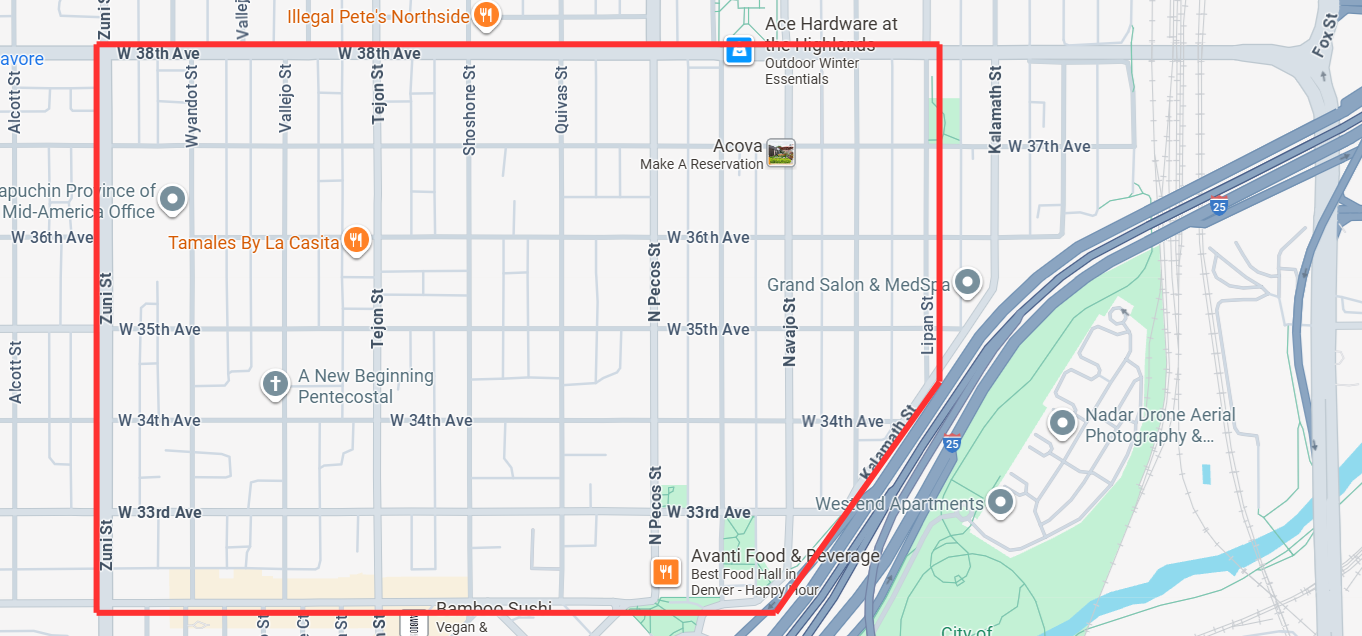
While Little Italy extended well beyond these boundaries, this area includes the most properties relevant to Italian history and served as the center of community life.
Potentially Eligible Properties
Through our own research, we have identified almost 50 properties that could be eligible for the district.
How You Can Help
Share information about properties. If you know the history of a building, business, or family connected to Italian North Denver, we’d love to hear about it.
Help with research. Community members can assist by digging into historical records, photos, and anything else to help document the neighborhood’s Italian heritage.
Identify additional properties. If we’ve missed a property that is within the boundaries, please let us know!
Spread the word. Share this project with your family, friends, and neighbors who have connections to the area.
Follow us on social media. Links below. All recordings of community meetings will be uploaded to our YouTube channel.
Join the email list. Get updates straight to your inbox! Subscribe below.
Write a letter of support. This can’t happen without the community. If the preservation of our history matters to you, let your voice be heard and write a brief letter of support. Below is a link to several templates. Please choose the best one for you! Keep in mind that personal stories are especially powerful. Please feel free to add a sentence or two about your connection to the neighborhood, your family, or why preservation matters to you.
Email your finished letters to info@littleitalyofdenver.com or mail them to 2651 E 79th Ave. Denver, CO 80229.
Social Media
Useful Links
Meet the Comitato (Committee)
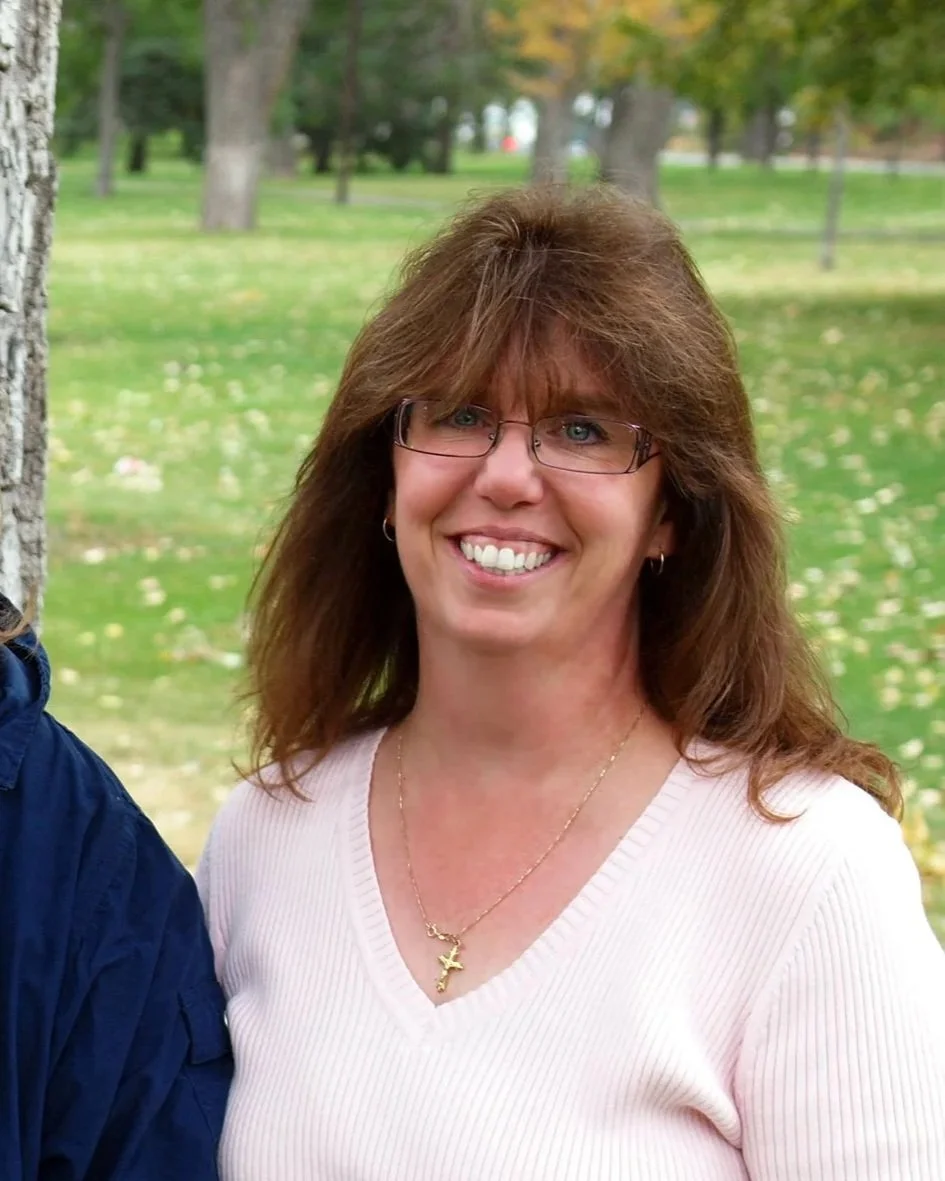
Crystal Peccia
Where did you grow up in North Denver? I did not grow up in North Denver, but I spent a good portion of my childhood with my grandmother who lived on 35th and Mariposa. I did, however, live on 36th and Vallejo Street for 30+ years.
Where does your family come from in Italy? My father's family is from the Molise region (south) of Italy. My mother's family is from the Lazio region near Rome.
Why do you think an Italian historic district is important? An Italian thematic district is important because it safeguards the Italian heritage that was so prevalent in North Denver. It also strengthens Italian culture from one generation to the next so traditions, language, and values are not lost over time.

Jenna Peccia
Where did you grow up in North Denver? 36th & Vallejo in the home Philip Longo built in 1929.
Where does your family come from in Italy? My dad is from Cantalupo nel Sannio in Molise and my mom’s side is from Villa San Michele (Pagliarone), also in Molise.
Why do you think an Italian historic district is important? It will keep our history and heritage alive for future generations. Denver’s Italian community needs to worry about the future and ensure the neighborhood we grew up in will retain at least some semblance of its former glory for years to come.